Winter storms can cause serious damage to watercraft if proper precautions are not taken. Snow, ice, freezing temperatures, and strong winds can weaken structures, damage engines, and shorten the lifespan of your vessel. Whether you own a jet ski, boat, or personal watercraft, seasonal protection is essential for maintaining performance and appearance. Preparing your watercraft before winter arrives can save you from expensive repairs and unnecessary stress.
With the right care and storage methods, you can ensure your investment remains safe throughout the cold months. Below are five practical tips to help keep your watercraft protected from winter storms.
1. Clean and Inspect Your Watercraft Thoroughly
Before storing your watercraft for winter, it is important to clean it properly. Remove dirt, salt, algae, and debris from the exterior and interior surfaces. Salt and grime can cause corrosion and stains if left untreated. After cleaning, inspect the hull, engine area, and fittings for cracks, leaks, or loose parts.
Addressing minor issues early prevents them from becoming major problems. A clean and well-inspected watercraft is better prepared to withstand harsh winter conditions.
2. Use High-Quality SeaDoo Covers for Maximum Protection
Investing in durable seadoo covers is one of the most effective ways to protect your watercraft from snow, rain, and debris. Quality covers are designed to fit securely and resist water penetration, UV damage, and wind movement. They help prevent moisture buildup that can lead to mold, rust, and electrical damage.
Properly fitted covers also protect against scratches and fading. Using reliable covers ensures your watercraft remains shielded from harsh winter elements.
3. Drain Fluids and Winterize the Engine
Winterizing your engine is essential for preventing freezing damage. Drain all water from cooling systems, hoses, and pumps to avoid cracks caused by expanding ice. Add marine-grade antifreeze where recommended by the manufacturer. Change engine oil and replace filters to remove contaminants that may cause corrosion.
Fuel stabilisers should also be added to prevent fuel degradation. Proper winterization keeps the engine in good condition and ensures smooth performance when spring arrives.
4. Choose a Safe and Secure Storage Location
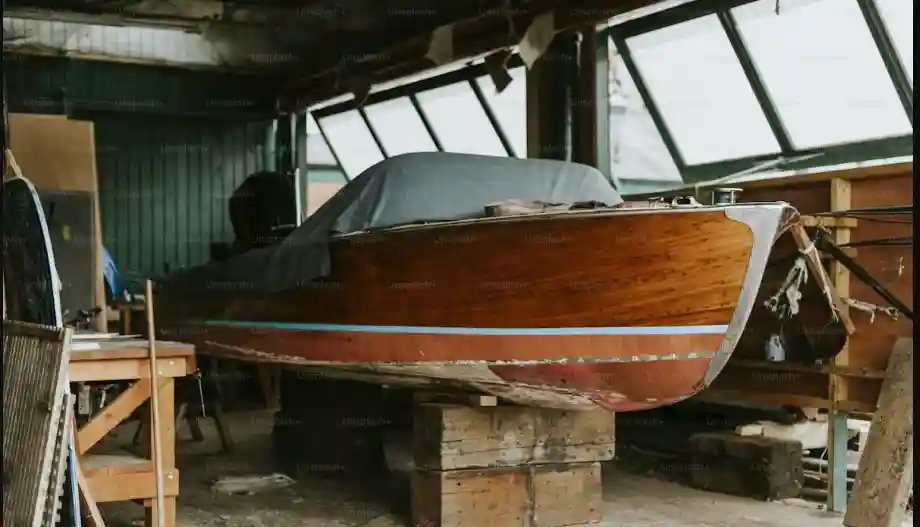
Where you store your watercraft during winter plays a major role in its protection. Indoor storage facilities offer the best defence against extreme weather, moisture, and theft. If indoor storage is not available, choose a sheltered outdoor location away from falling branches and heavy snow accumulation.
Elevate the watercraft slightly to prevent water pooling underneath. A stable and well-protected storage area reduces exposure to winter-related damage.
5. Maintain Battery and Electrical Systems
Cold temperatures can significantly affect batteries and electrical components. Disconnect the battery and store it in a dry, temperature-controlled environment. Recharge it periodically to maintain performance. Inspect wiring and terminals for corrosion and clean them if necessary.
Cover exposed electrical connections to prevent moisture buildup. Proper battery and electrical maintenance ensures your watercraft is ready for use when warmer weather returns.
Conclusion
Protecting your watercraft from winter storms requires preparation, consistency, and attention to detail. By cleaning and inspecting your vessel, using high-quality SeaDoo covers, winterizing the engine, choosing secure storage, and maintaining electrical systems, you can prevent costly damage and extend its lifespan. These simple yet effective steps help preserve both performance and appearance.